


Clan Baillie Collection
The name most likely comes from the office of bailie, or bailiff.…
Explore the Clan Baillie story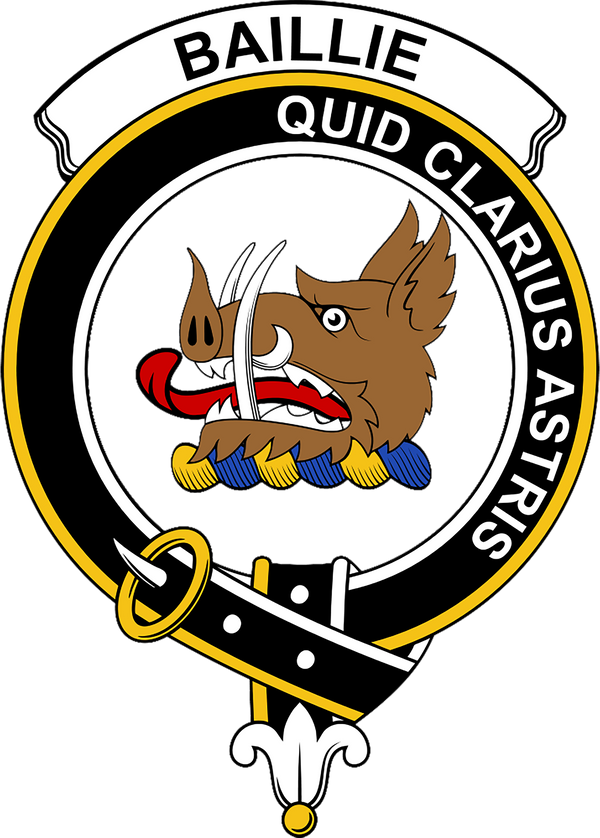

Baillie Reproduction Tartan Bagpipe Ornament
Baillie · Reproduction
$19.99$25.99
Baillie of Polkemmet Reproduction Tartan Bagpipe Ornament
Baillie of Polkemmet · Reproduction
$19.99$25.99
Baillie of Polkemmet Red Reproduction Tartan Bagpipe Ornament
Baillie of Polkemmet · Reproduction
$19.99$25.99
Baillie of Polkemmet Red Modern Tartan Bagpipe Ornament
Baillie of Polkemmet · Modern
$19.99$25.99
Baillie of Polkemmet Red Ancient Tartan Bagpipe Ornament
Baillie of Polkemmet · Ancient
$19.99$25.99
Baillie of Polkemmet Modern Tartan Bagpipe Ornament
Baillie of Polkemmet · Modern
$19.99$25.99
Baillie of Polkemmet Ancient Tartan Bagpipe Ornament
Baillie of Polkemmet · Ancient
$19.99$25.99
Baillie of Lamington Reproduction Tartan Bagpipe Ornament
Baillie of Lamington · Reproduction
$19.99$25.99
Baillie of Lamington Modern Tartan Bagpipe Ornament
Baillie of Lamington · Modern
$19.99$25.99
Baillie of Lamington Ancient Tartan Bagpipe Ornament
Baillie of Lamington · Ancient
$19.99$25.99
Baillie of Bennachie Modern Tartan Bagpipe Ornament
Baillie of Bennachie · Modern
$19.99$25.99
Baillie Dress Reproduction Tartan Bagpipe Ornament
Baillie
$19.99$25.99
Baillie Dress Modern Tartan Bagpipe Ornament
Baillie
$19.99$25.99
Baillie Dress Ancient Tartan Bagpipe Ornament
Baillie
$19.99$25.99
Baillie (Highland Society of London) Reproduction Tartan Ornament
Baillie · Reproduction
$19.99$25.99
Baillie (Highland Society of London) Modern Tartan Ornament
Baillie · Modern
$19.99$25.99
Baillie (Highland Society of London) Ancient Tartan Ornament
Baillie · Ancient
$19.99$25.99
Baillie of Polkemmet Red Weathered Clan Crest Ornament
Baillie of Polkemmet · Weathered
$19.99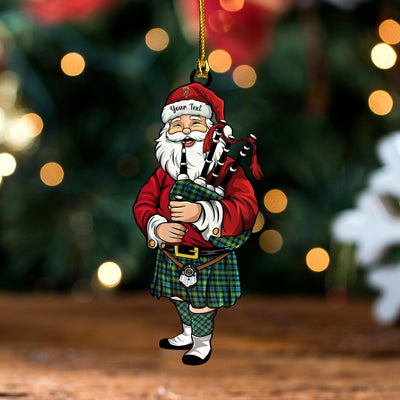
Baillie of Polkemmet Ancient Clan Crest Tartan Ornament
Baillie of Polkemmet · Ancient
$19.99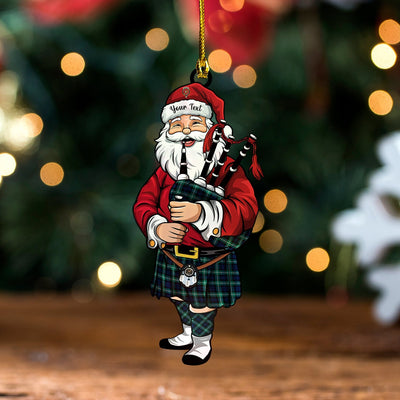
Baillie of Polkemmet Modern Clan Crest Tartan Ornament
Baillie of Polkemmet · Modern
$19.99
Baillie of Polkemmet Red Clan Crest Tartan
Baillie
$19.99
Baillie of Lamington Weathered Clan Crest Tartan Ornament
Baillie of Lamington · Weathered
$19.99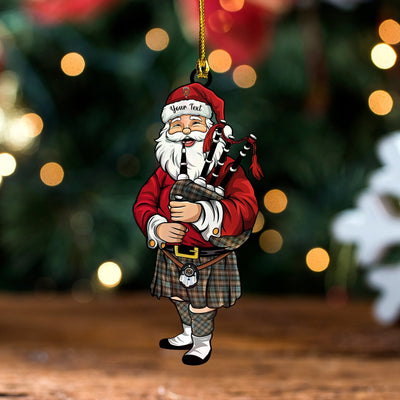
Baillie of Polkemmet Weathered Clan Crest Tartan Ornament
Baillie of Polkemmet · Weathered
$19.99
Baillie of Lamington Weathered Clan Crest Tartan Ornament
Baillie of Lamington · Weathered
$19.99/collections/clan-baillie-tartan?page=3
About Clan Baillie
The name most likely comes from the office of bailie, or bailiff. The first record in Scotland is William de Bailli of Hoperig, a juror in Lothian in 1311-12, who later received the barony of Lamington. A royal charter of David II in the mid-14th century secured the barony of Lamington in South Lanarkshire to Sir William Baillie, founding the family's main Lowland line, from which branches spread to Carphin, Jerviston, Castlecary, and, in the Highlands, to Dochfour and Dunain near Inverness
Read the Clan Baillie storyModern or Ancient?
Same pattern, different dyes. Modern uses deep, saturated colours; Ancient uses the softer tones associated with natural dyes.
- Choosing a selection results in a full page refresh.